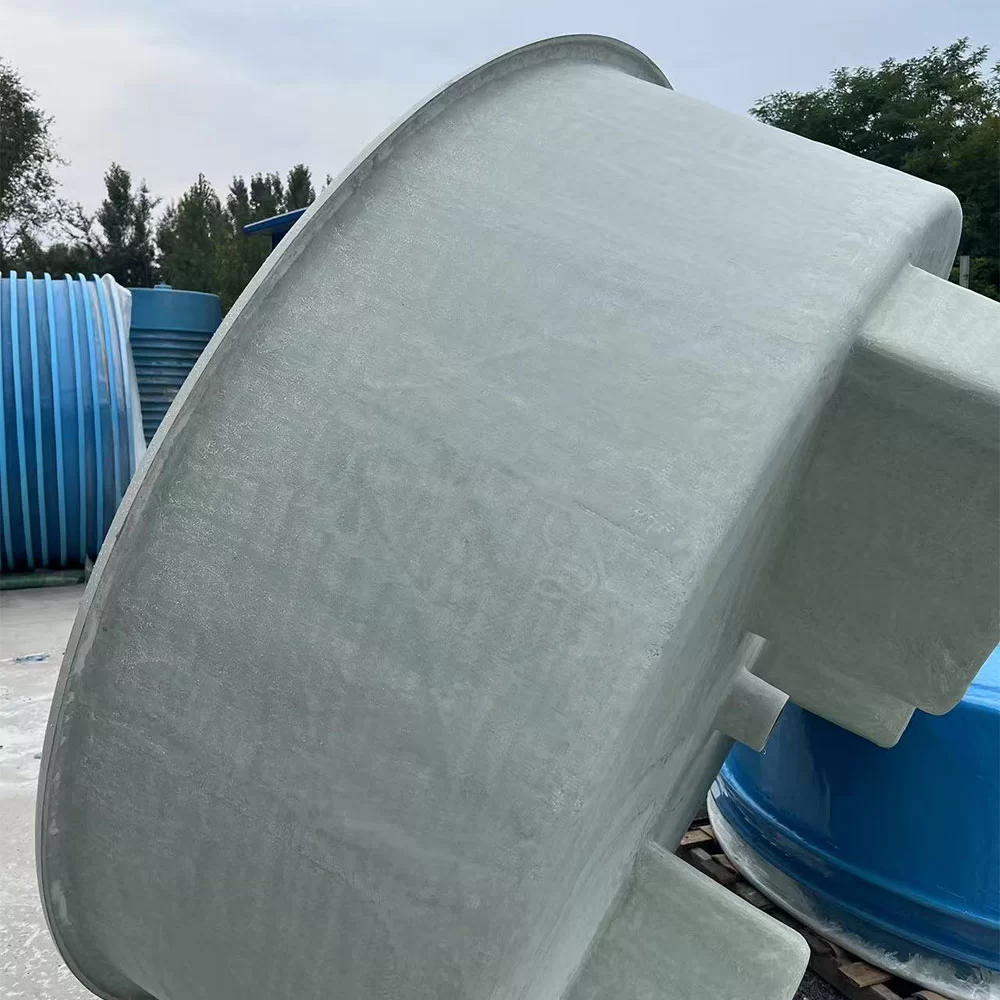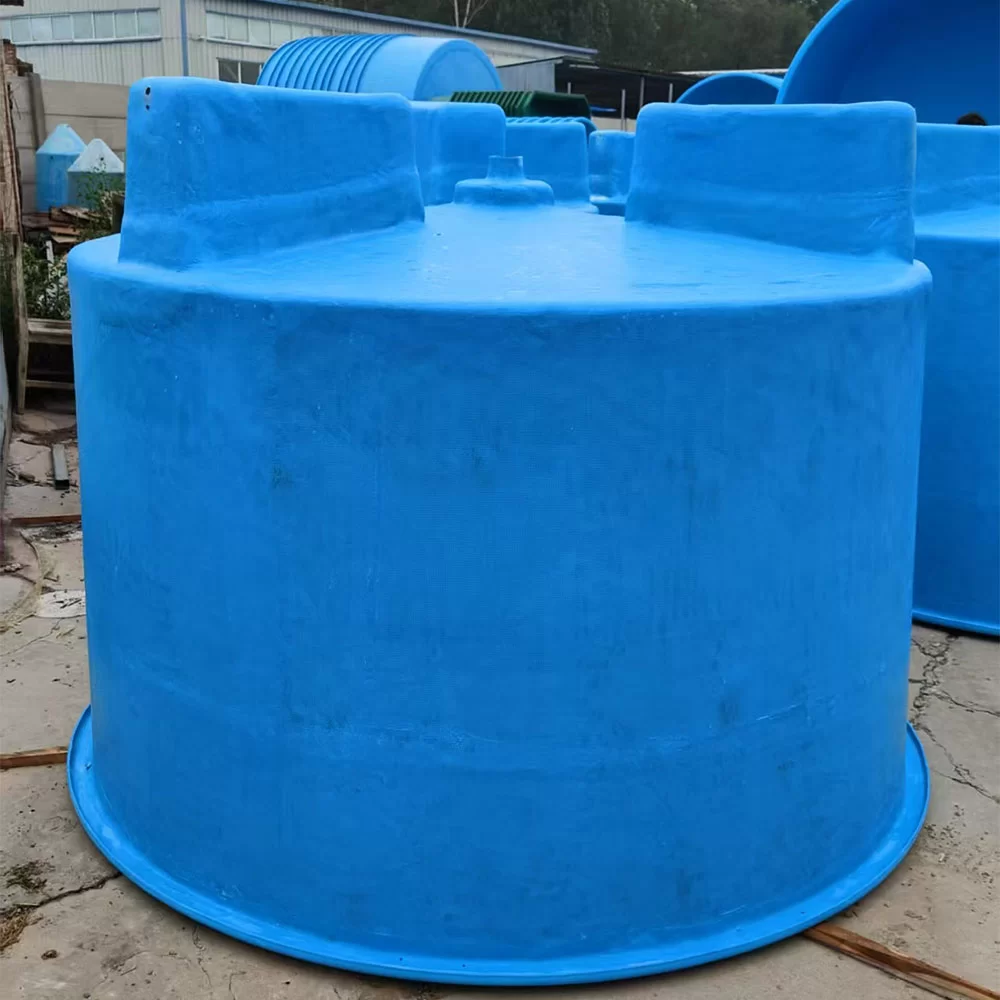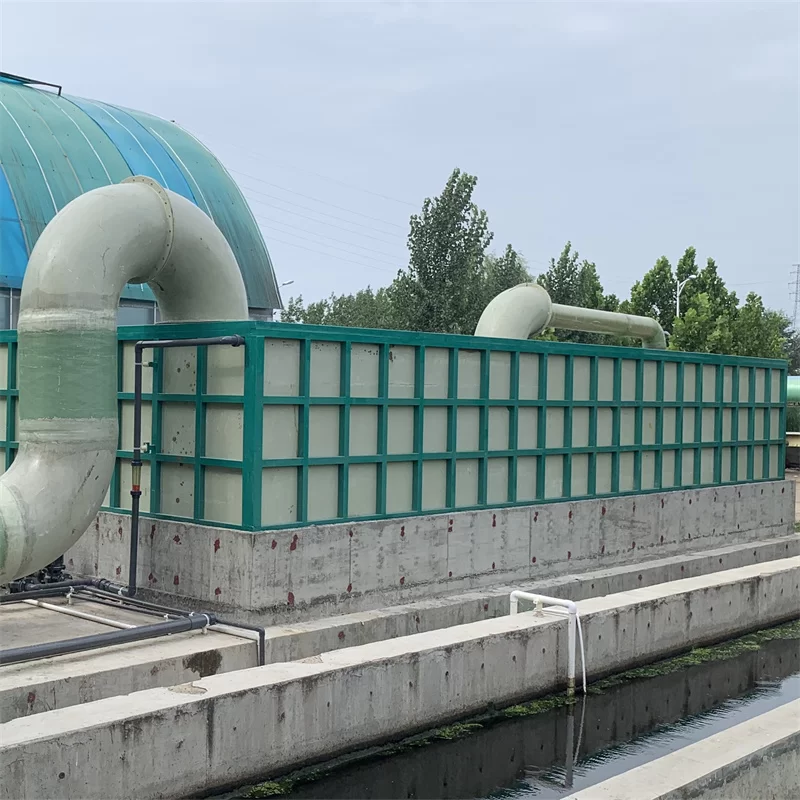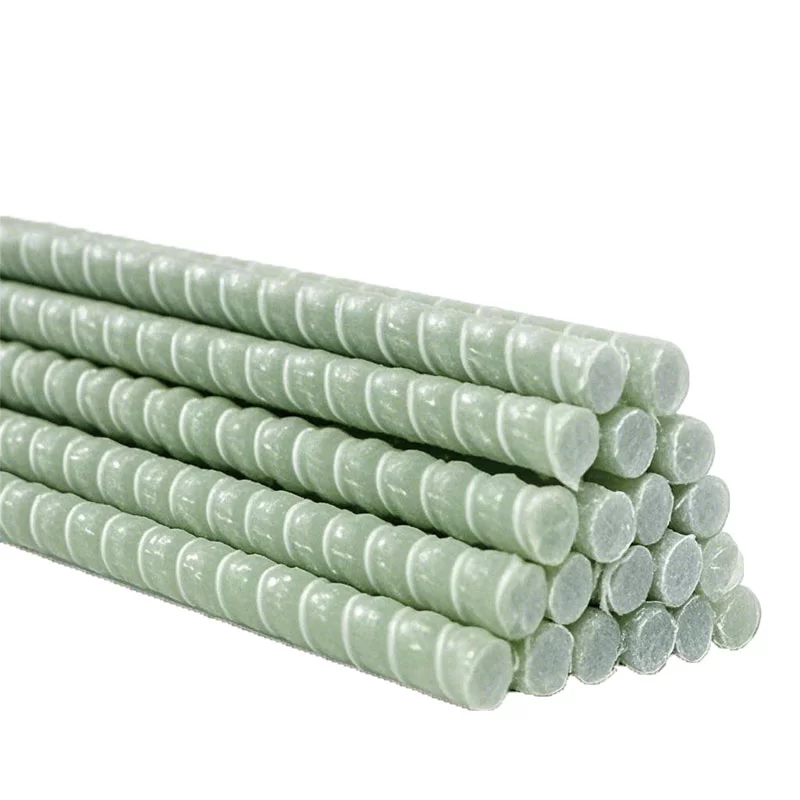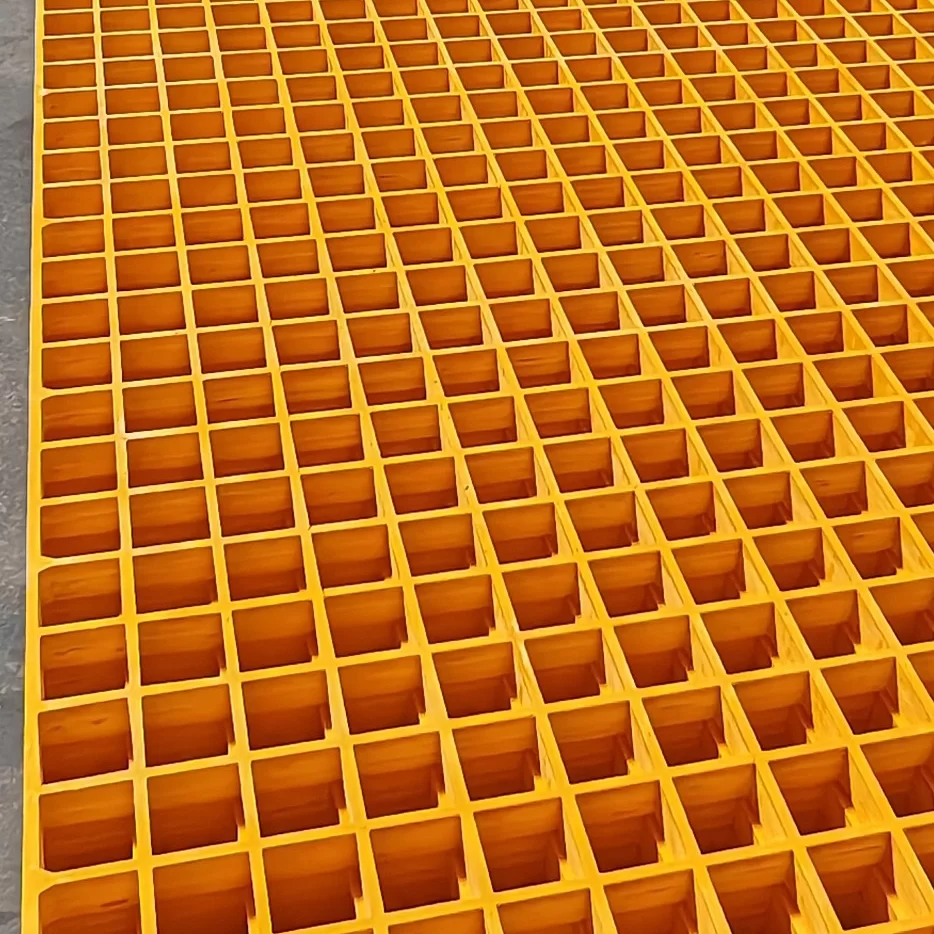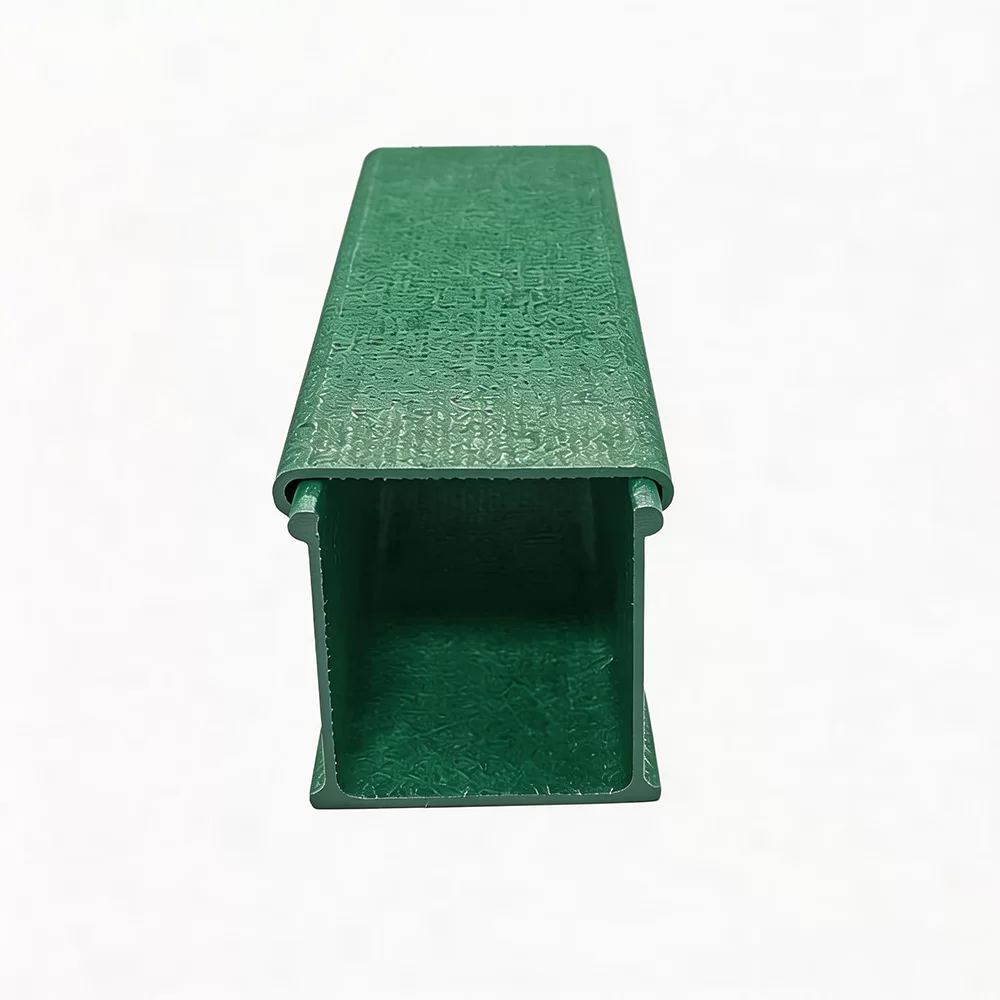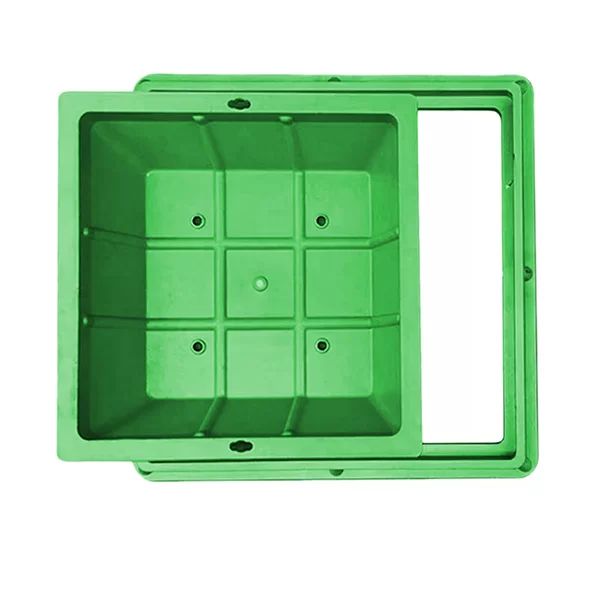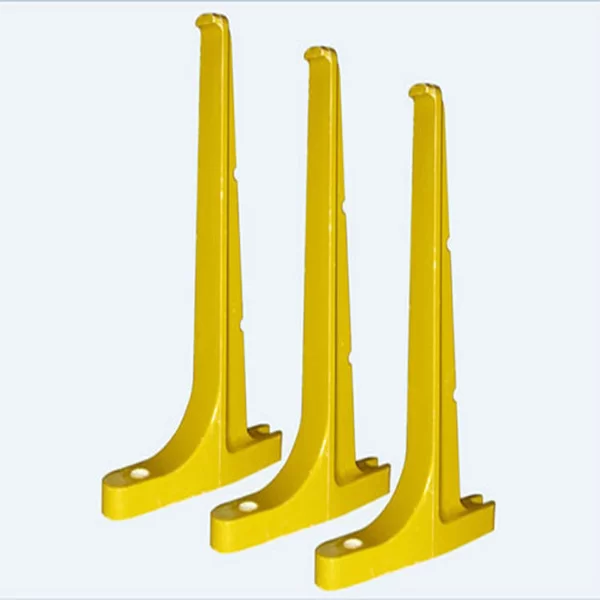
Facility managers and contractors often face a silent but costly battle: failing underground infrastructure. Traditional concrete access points crack under environmental stress, while metal alternatives succumb rapidly to the corrosive hydrogen sulfide gases present in wastewater. These failures lead to dangerous safety hazards, foul odor leaks, and expensive emergency replacements. Solving this persistent chTodosenge requires materials engineered specificTodosy for harsh environments.
This is where selecting a high-performance fiberglass septic tank cover or lids transforms system reliability. Backed by extensive manufacturing experience in Zaoqiang County—a hub for composite innovation—we leverage state-of-the-art molding and hand lay-up processes to deliver unmatched durability. Our strict quality management systems ensure that every PRODUTO meets rigorous international industrial standards.
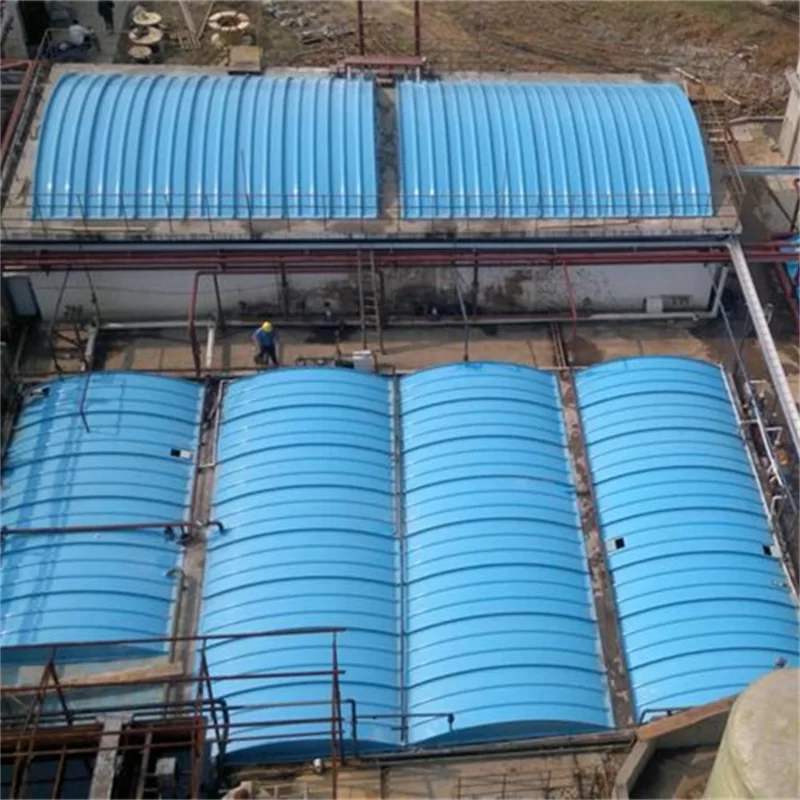
Whether you are outfitting a residential system or a large-scale commercial chemical plant, our Fiber Reinforced Polymer (FRP) Soluções provide a definitive answer. Exported globTodosy to demanding markets across Southeast Asia, Europe, North America, and the Middle East, our composite access Soluções have proven their ability to withstand extreme conditions without compromising on safety or structural integrity.
Transitioning from traditional materials to advanced composites requires an understanding of the technical benchmarks that define true quality. Our modern PRODUTOion workshops are equipped with advanced molding machines dedicated to the precise fabrication of high-grade composite Produtos. By focusing on precision engineering, we ensure that every unit delivers flawless performance in the field.
The table below outlines the specific technical parameters that elevate a standard access hatch into a reliable, industrial-grade fiberglass septic tank cover or lids.
| Performance Metric | Industry Significance | Our Engineering Standard | Advantage |
|---|---|---|---|
| Corrosion Resistance | Wastewater emits highly corrosive biogases that destroy metal and degrade untreated concrete. | Premium FRP (Fiber Reinforced Polymer) formulation tailored for chemical and wastewater Indústrias. | Zero rust, absolute resistance to rot, and a drasticTodosy extended operational lifespan. |
| High Strength-to-Weight Ratio | Heavy covers cause workplace injuries and require heavy machinery for routine maintenance. | Advanced molding and hand lay-up structural profile techniques. | Incredibly lightweight for easy single-person handling, yet capable of bearing heavy loads. |
| Anti-Aging & UV Stability | Outdoor exposure causes standard plastics to become brittle and crack over time. | Integrated UV-inhibitors and weather-resistant surface treatments. | Maintains structural integrity and aesthetic appearance even under direct sunlight for decades. |
| Precision Engineering | Imperfect fits Todosow toxic odors to escape and surface rainwater to flood the system. | Strict quality management systems aligning with international dimensional standards. | A perfect, airtight seal that Anteriorents infiltration and exfiltration securely. |
Capital expenditures in wastewater infrastructure should not be viewed as mere short-term purchases, but as strategic long-term investments. When infrastructure fails prematurely, the true cost extends far beyond the replacement part—it includes severe labor costs, site downtime, and potential environmental non-compliance fines. By integrating advanced composites into your project, you effectively engineer out future maintenance costs.
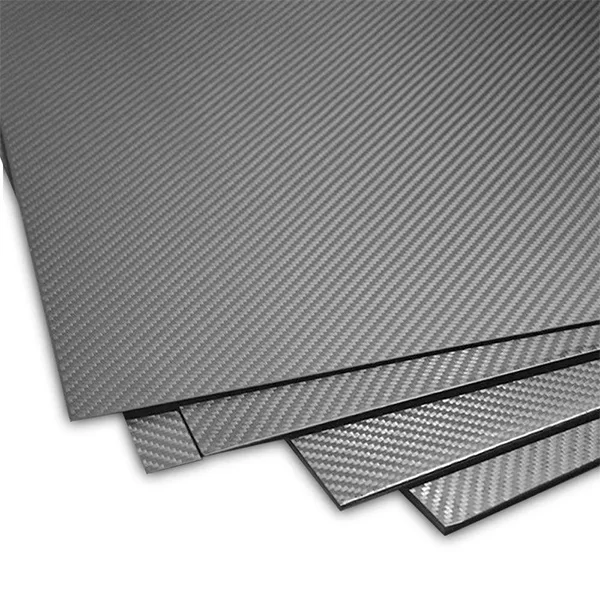
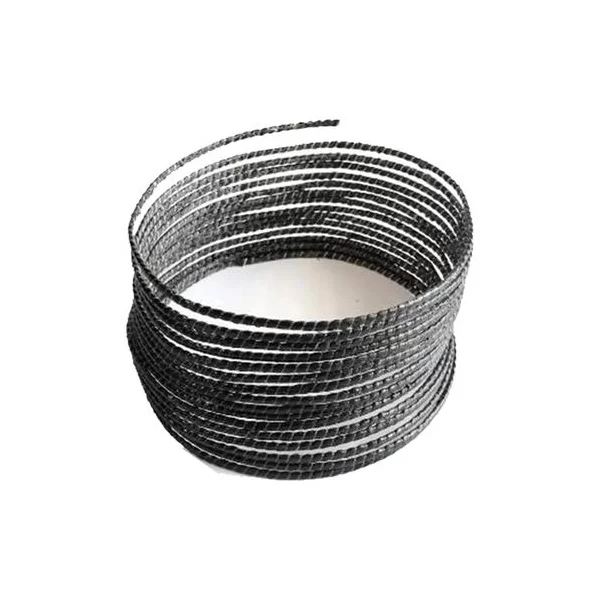
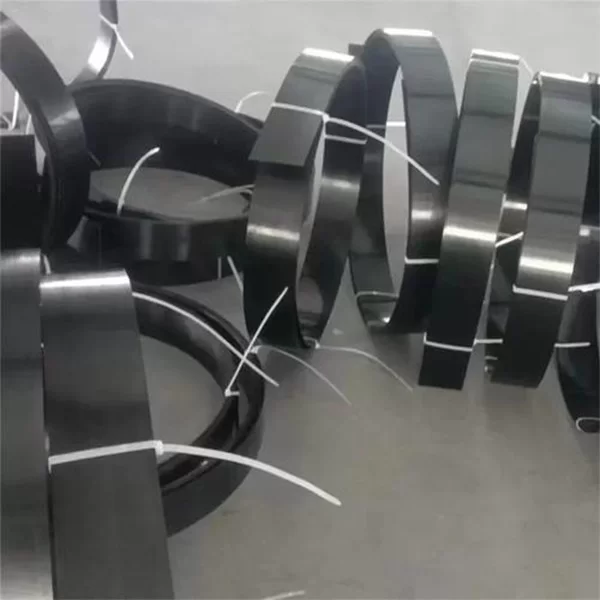
Investing in an optimized fiberglass septic tank cover or lids delivers measurable financial returns. Because our FRP and carbon fiber Soluções possess extraordinary anti-aging properties and absolute corrosion resistance, the replacement cycle is stretched from a few years to several decades. This operational longevity translates to superior Total Cost of Ownership (TCO), establishing a clear competitive edge for developers and facility operators alike.
Produtos relacionados
Top Selling Produtos
A evolução dos materiais industriais tem sido uma história de compensações. Durante séculos, os engenheiros foram forçados a escolher entre a imensa resistência dos metais e a versatilidade leve dos polímeros ou das madeiras.
'); })