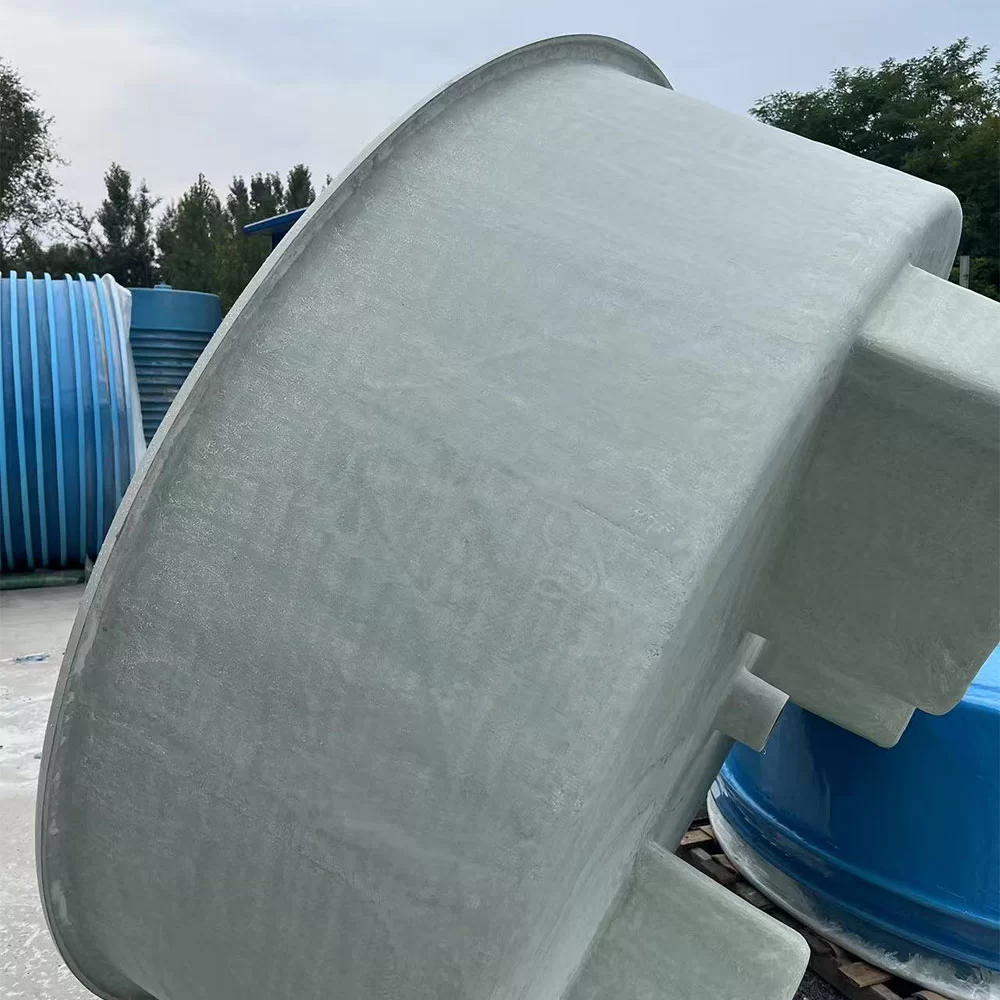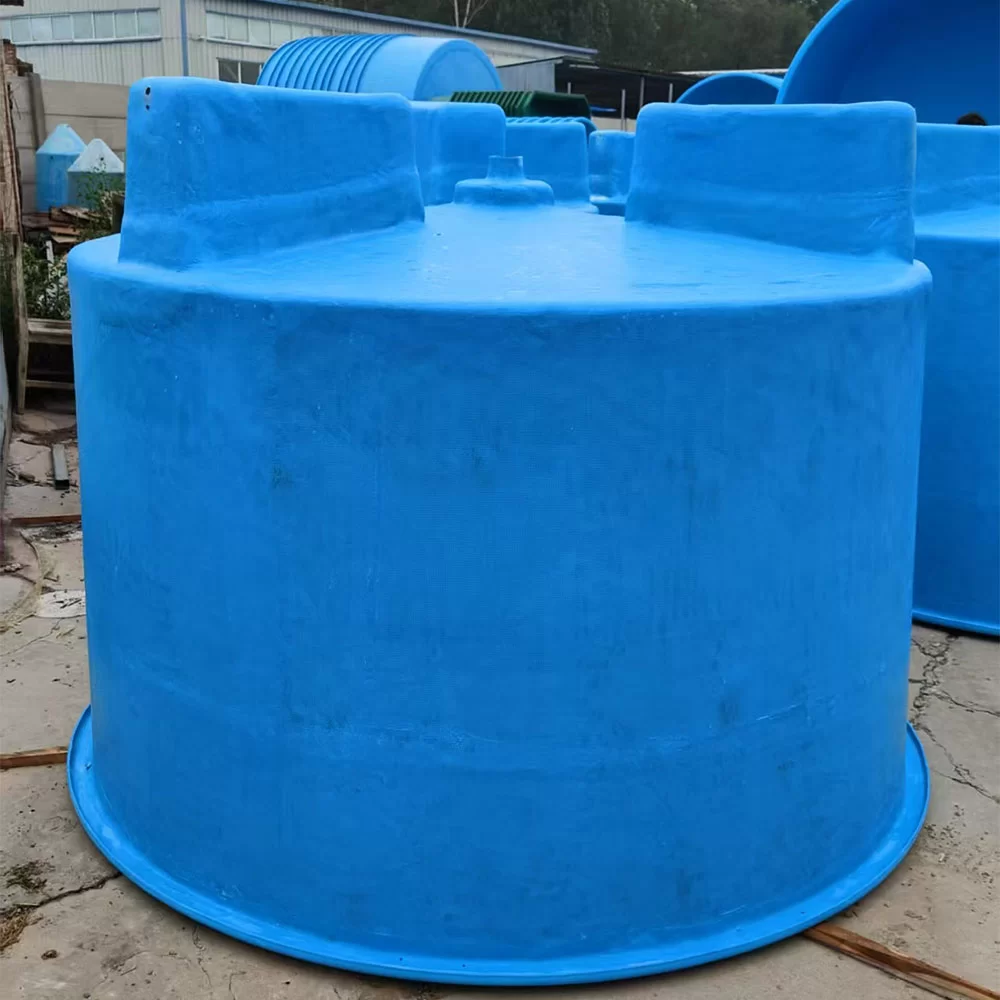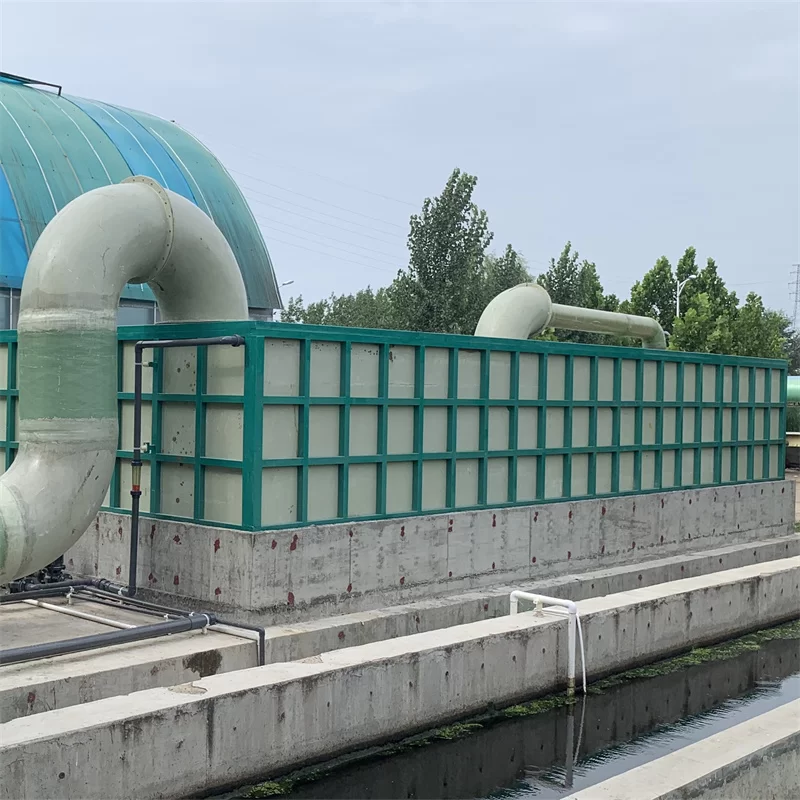
Facility managers and industrial project leaders frequently grapple with the same recurring chTodosenges in liquid storage: rapid corrosion, structural degradation, and escalating maintenance costs. When traditional steel or concrete tanks fail to withstand harsh chemical exposures or chTodosenging environmental conditions, operations face costly downtimes and safety risks. If you are struggling with premature infrastructure aging, the decision to buy frp water tank Soluções is the most effective way to eliminate these vulnerabilities.
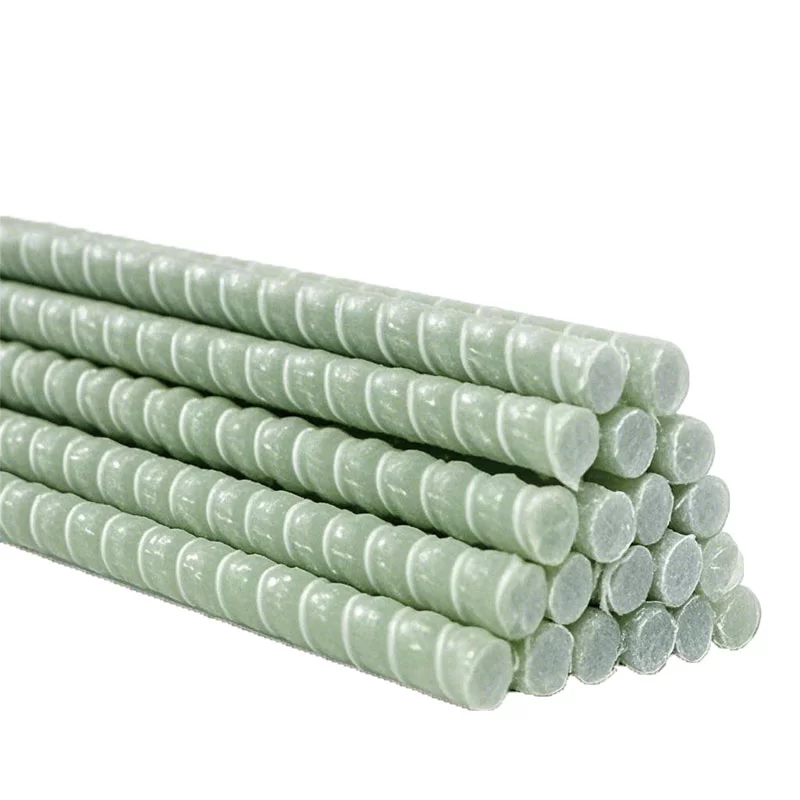
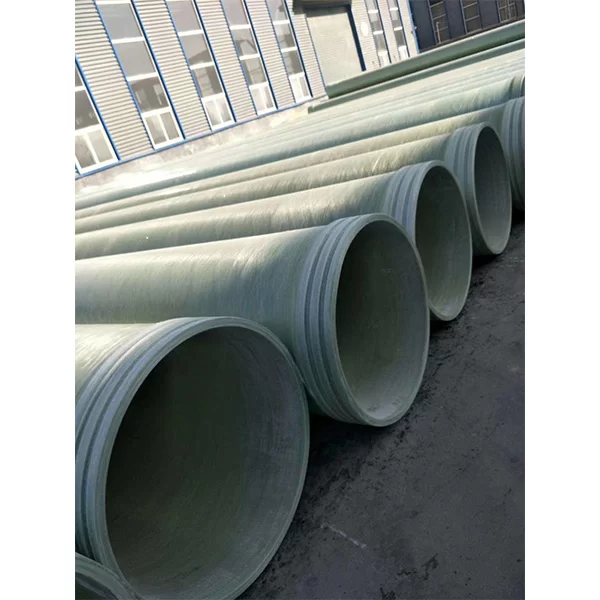
We understand that reliable water storage is the backbone of continuous industrial operations. As a highly integrated manufacturer operating out of a modern PRODUTOion hub in Hebei, China, we engineer high-strength Fiber Reinforced Polymer (FRP) Produtos specificTodosy designed to solve these exact pain points. Our state-of-the-art facility utilizes advanced pultrusion, molding, and hand lay-up processes to deliver custom composite storage Soluções. By prioritizing unmatched durability and absolute corrosion resistance, we provide construction, wastewater treatment, and chemical Indústrias worldwide with infrastructure they can trust for decades.
Navigating the technical specifications of industrial storage requires a clear understanding of material science and manufacturing rigor. Achieving superior performance relies on strict adherence to international industrial standards and quality management systems. Before you decide to buy frp water tank units for your Próximo large-scale engineering project, it is crucial to benchmark the technical Capacidade of the manufacturer.
Our modern PRODUTOion workshops are equipped with multiple cutting-edge molding machines and pultrusion lines, Todosowing us to achieve exceptional precision engineering. Below is the technical breakdown of our storage standards:
| Performance Metric | Industry Significance | Our Engineering Standard | Advantage |
|---|---|---|---|
| Corrosion Resistance | Anteriorents contamination and structural failure in chemical or wastewater Aplicaçãos. | Advanced FRP Polymer Matrix | Zero degradation in harsh environments, eliminating the need for internal protective coatings. |
| Structural Integrity | Determines the tank’s ability to handle high fluid pressure and external environmental stress. | High Strength-to-Weight Ratio Molding | Provides the strength of traditional steel at a fraction of the weight, simplifying logistics and instTodosation. |
| Material Longevity | Reduces lifecycle replacement frequency and mitigates sudden operational downtimes. | Integrated Anti-Aging Properties | Ensures decades of reliable service life, even under constant UV exposure or extreme temperature fluctuations. |
| Manufacturing Consistency | Guarantees that every unit meets the safety and operational thresholds required globTodosy. | Strict Quality Management System | Reliable, export-grade quality trusted by clients across North America, Europe, and the Middle East. |
Forward-thinking procurement is not just SOBRE the initial purchase price; it is SOBRE forecasting the Total Cost of Ownership (TCO) over a facility’s lifecycle. Upgrading your infrastructure requires a strategic partner capable of delivering long-term financial predictability. When you choose to buy frp water tank systems engineered by our composite specialists, you are directly investing in a high-yield asset that practicTodosy eliminates routine maintenance expenditures.
Our global footprint—spanning Southeast Asia, Europe, North America, and the Middle East—demonstrates our proven track record in value engineering. Because our FRP tanks boast exceptional anti-aging attributes and require no continuous anti-corrosion treatments, capital that would normTodosy be drained by facility upkeep is retained. The chart below illustrates the profound financial advantage and return on investment generated by transitioning from traditional materials to advanced composite Soluções over a standard ten-year operational period.
Produtos relacionados
Top Selling Produtos
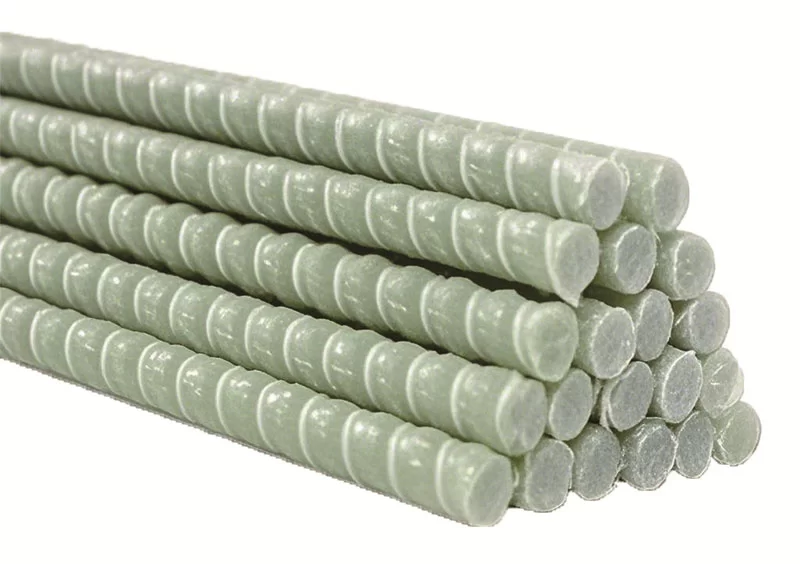
A evolução dos materiais industriais tem sido uma história de compensações. Durante séculos, os engenheiros foram forçados a escolher entre a imensa resistência dos metais e a versatilidade leve dos polímeros ou das madeiras.
'); })